Bitcoin Trend Trading Strategy: How to Ride the Big Moves
A plain-spoken, teachable way to trade Bitcoin with the trend, enter on continuation, and use a trailing stop to ride winners and cut losers.
VektorAlgo Research
Notes on trading gold and Bitcoin, reading indicators like a pro instead of a tourist, and bending TradingView to your will. Written by the team that builds Vektor.
A plain-spoken, teachable way to trade Bitcoin with the trend, enter on continuation, and use a trailing stop to ride winners and cut losers.
Find the right gold symbol, pick a timeframe, read the trend, and set an alert so you are not stuck watching the screen all day.

The boring, repeatable reasons accounts blow up: overtrading, no defined risk, revenge trades, and mistaking activity for edge.

Reserve diversification, de-dollarisation, and the steady official demand that quietly sits under gold's price. The macro context a trader should actually know.
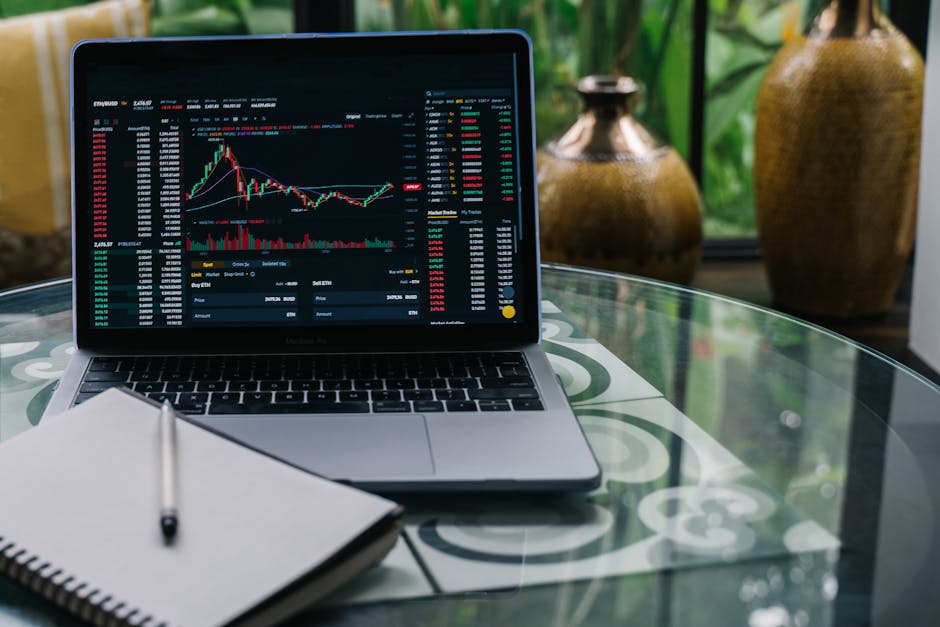
You will never nail the exact top, and chasing it is how good trades turn into bad ones. Here is how rule-based exits keep the decision out of your hands.

Gold does not move on vibes. It moves on real yields, the dollar, central-bank demand, and fear. Here is how each one shows up on your chart, and why reading the trend beats guessing the headline.
The volume-weighted average price is the fair-value line day traders and desks lean on. Here is where it earns its keep, and where beginners quietly ruin it.

ATR does not tell you where price is going. It tells you how far it usually travels, and that is exactly what you need to set stops and size positions that fit the asset.
ADX tells you how strong a trend is, not which way it points. Here is how to read it without fooling yourself.

Why these zones form, how to draw them as areas instead of exact lines, and why they break more often than beginners expect.
Regular and hidden divergence, how to spot both without fooling yourself, and the honest reason it should never be a standalone entry.
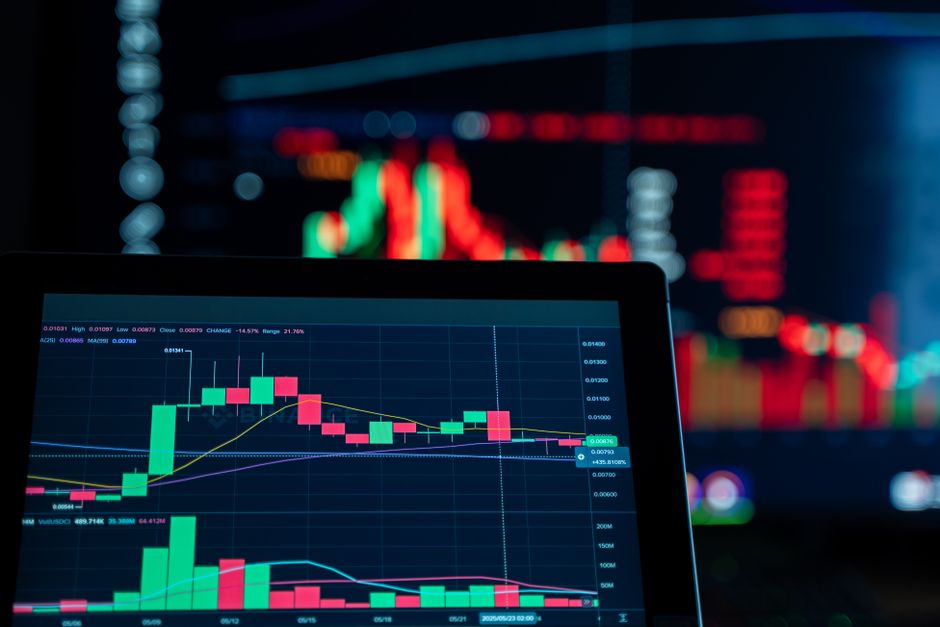
Win rate gets all the attention. Risk-reward is what actually pays the bills. Here is how the two work together, and why a strategy that loses more often than it wins can still make money.

The code behind every custom indicator and strategy on TradingView, explained without the jargon and without turning you into a programmer.

The BTC dominance metric, what rising and falling readings actually tell you, and why it is a lousy stopwatch for calling altcoin season.
A doji tells you buyers and sellers fought to a draw. That is all it tells you. Where it prints decides whether it means anything.

How a spot ETF differs from futures products and holding your own coins, and why the money flowing in and out actually matters for price.

How to run TradingView on your phone without kidding yourself about what the mobile app can and cannot do versus desktop.
Willpower runs out. Rules don't. Concrete habits that take the decision out of your hands at the exact moment you'd blow it.
Time, stress, fees, and where a real edge actually lives. A plain look at two speeds of trading, and why faster is not the same as better.
Overbought and oversold are not sell and buy signals. Here is what the stochastic actually measures, why it fails in trends, and the one filter that makes it usable.
Those little dots flipping above and below price are doing one job: trailing a trend and telling you where the ride might end. Here's how they work and when they lie to you.

A short, honest shortlist of the candlestick patterns worth knowing, plus the blunt truth about why none of them work on their own.
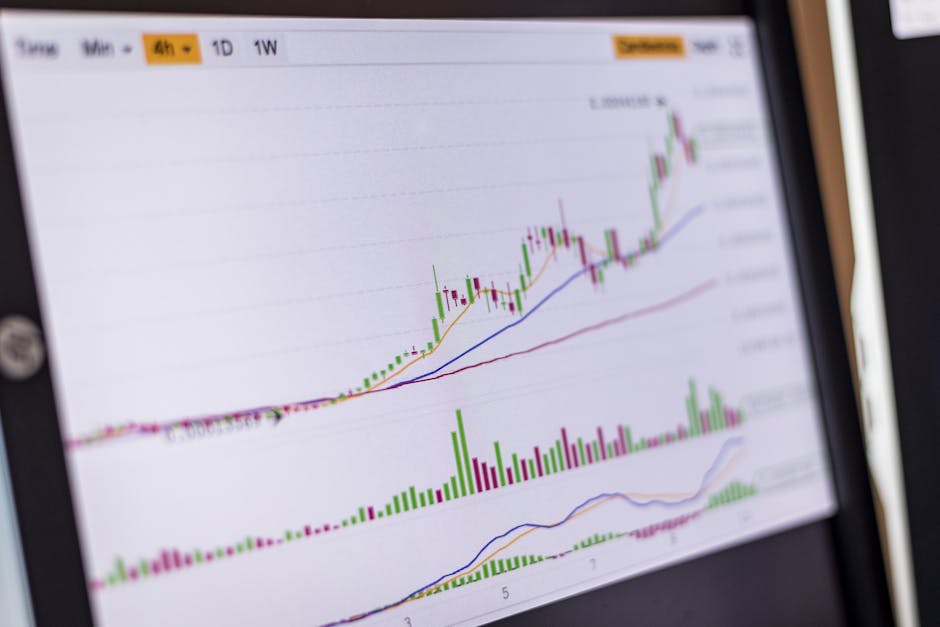
Two opposite ways to make money in markets. One sells the extremes, one rides them. Here is the honest case for why volatile assets reward the trend rider.

One sells a broad signal toolkit on a subscription. The other sells a single focused trend call for a one-time price. Here is the honest breakdown.
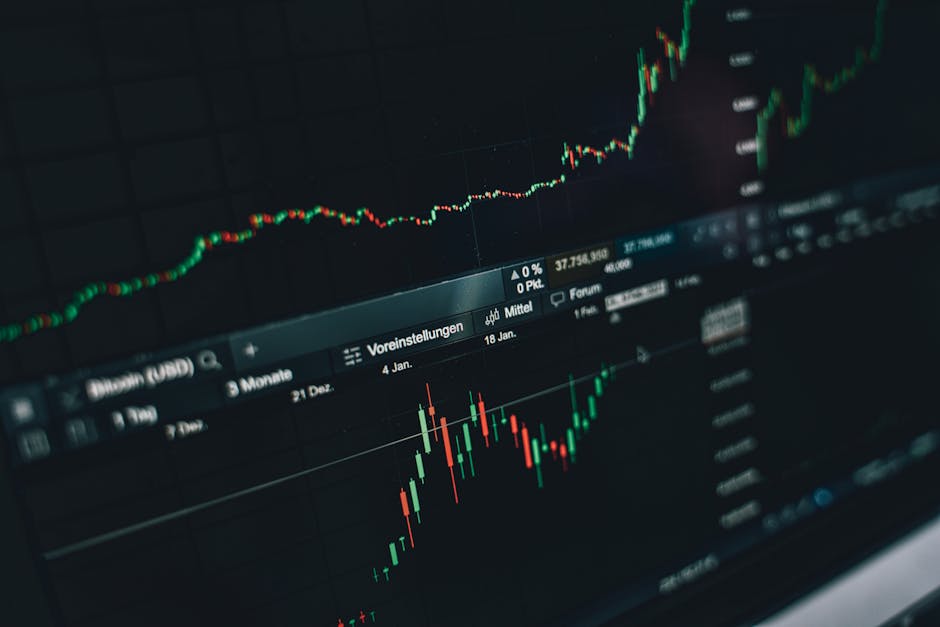
One warns you early and cries wolf. The other confirms late but keeps you out of the noise. Here is how to tell them apart and why durable systems lean on the slow one.
Gold holds purchasing power over long stretches, but it pays you nothing to wait. Here is the sober case for and against owning it.
Five lines, one chart, a lot of intimidation. Here is the plain-English version and the single part most beginners actually need.

The point of control and value area tell you where price actually traded, not just when. Here is how to read them, plus an honest look at what free TradingView gives you.
Bar replay lets you step through a chart candle by candle, so you can test a strategy the way it actually happens: one bar at a time, no future in view.

A no-fluff walkthrough of the three things that actually matter on day one: opening a chart, switching symbols and timeframes, and reading the price scale. No indicators yet.

A hands-on walk through the drawing tools you'll actually use, plus the keyboard shortcuts that make marking up a chart fast.
Stop staring at every chart. Filter markets by trend, volume, and volatility so you only look at names worth your time.
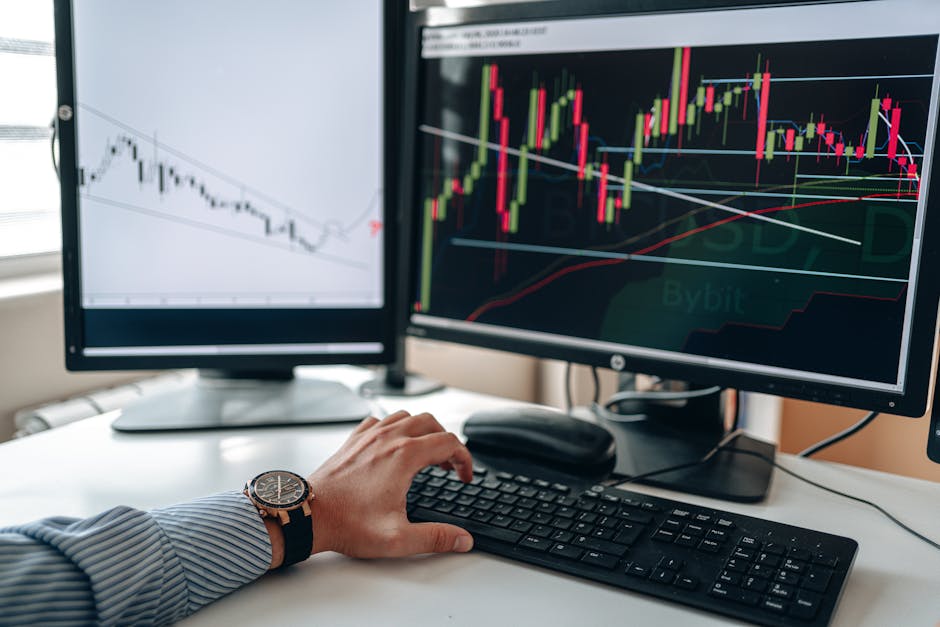
A concrete framework for riding Bitcoin moves: enter on daily breakouts, ignore the intraday noise, and trail the winner instead of scalping.

A practical guide to triangles, flags, and ranges, plus how to avoid seeing shapes that were never there.

Stop guessing your trade size. The fixed-fractional method turns your stop distance into an exact position size, and it works the same on gold or Bitcoin.

A watchlist is the smallest productivity fix in trading, and most people never bother. Here is how to build one you will actually use.

Place stops at real structure and volatility instead of a round percent, and never move one against yourself.
Every candle is a record of a fight between buyers and sellers. Here is how to read who won, and which patterns are actually worth your attention.

Most journals become a graveyard of screenshots nobody reads. Here is what to log, how to review it, and how to make the thing pay for itself in behaviour.

Chasing candles and reacting to headlines gets gold traders wrong-footed. A confirmed daily break gives you a rule you can repeat instead of a hunch you have to defend.

A plain walkthrough of the Inputs and Style tabs so you can tune lengths, colours, and alerts on any indicator, using a trend tool's sensitivity as the worked example.

Overtrading is rarely a knowledge problem. It's a structure problem. Here are the behavioural and mechanical changes that make churn harder.

The Indicators dialog, favouriting, and the difference between community scripts and invite-only tools, using an invite-only install as the example.

The chain from rate decisions to real yields to gold, and why the surprise moves the price more than the decision itself.

The dollar and gold usually move opposite each other. Here is how strong that link really is, why it slips, and how to use it as context instead of a crystal ball.
Three momentum indicators stacked on one chart usually say the same thing three times. Here is why that feels like confirmation and is really just noise.

The neckline, the measured move, and the honest truth that plenty of textbook head and shoulders patterns fail. Wait for confirmation instead of guessing the shape early.

One asset has 5,000 years of history. The other has fifteen and a habit of falling 70% on a bad quarter. Here is the sober side-by-side.
One complete framework: trade the daily trend, define your entries on breaks, and cap risk per trade. No crystal ball needed.

Festival season, wedding buying, year-end flows. The gold calendar has real stories behind it, but a story is not an edge. Here is what seasonality does and does not do.

The levels are not market magic. They work partly because everyone watches the same lines. Here is how to draw them and use them without pretending they predict anything.
Gold has a reputation as the inflation hedge. The reality is messier, and the mechanism most people cite is not the one that actually moves the price week to week.

How breakouts actually work, why so many of them fail, and the two filters that separate a real move from noise.

The bands track volatility around a moving average. That one fact explains why the squeeze and the bounce work in some markets and fall apart in others.

A plain-spoken intro to exchange flows, HODL waves, and MVRV, and an honest look at why on-chain is context, not a trade signal.

What the halving actually changes about Bitcoin's supply, and an honest look at the post-halving price story traders keep betting on.

The math usually favors lump sum. Your nerves usually favor DCA. Here is how to pick the one you can actually stick to.

A practical setup that cuts the noise so you can actually read price. Honest about the fact that settings are preference, not an edge.

Most intraday Bitcoin signals are noise dressed up as opportunity. Here is why the daily chart captures the trend that actually pays, and the lower ones mostly pay your broker.
A short, disclosure-first look at paid gold tools on TradingView. What each one is good at, where it falls short, and how to judge them before you spend.

The honest answer is: it depends on one bottleneck you probably haven't named yet. Here's how to find it and buy the cheapest plan that clears it.

Bitcoin's deeper liquidity and cleaner trends make it a steadier vehicle for systematic trading than most altcoins, which gap harder and rug more often.