
Why Most Traders Lose Money (And What Actually Goes Wrong)
The boring, repeatable reasons accounts blow up: overtrading, no defined risk, revenge trades, and mistaking activity for edge.
Two opposite ways to make money in markets. One sells the extremes, one rides them. Here is the honest case for why volatile assets reward the trend rider.
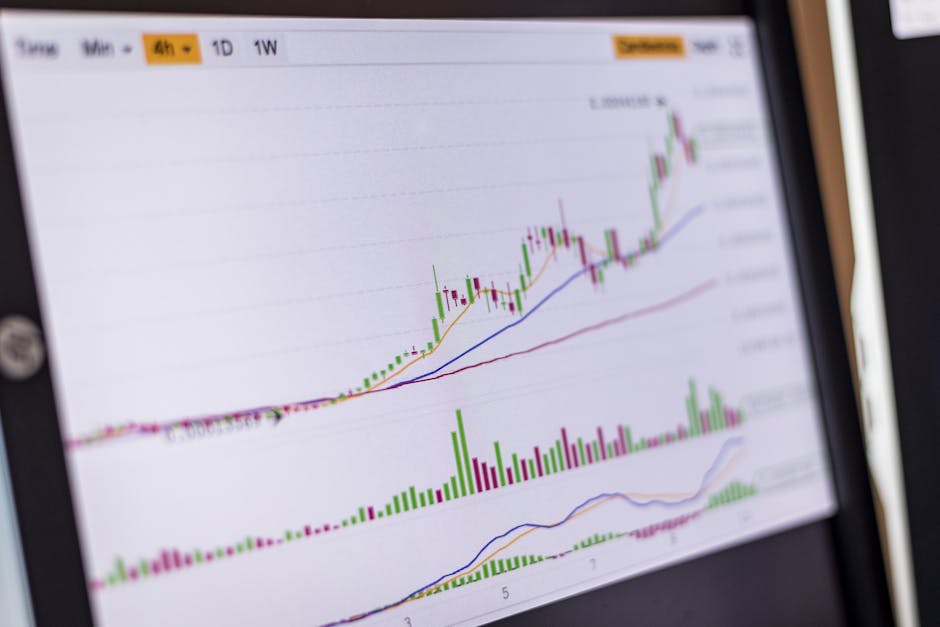
Two traders look at the same chart. Gold has run up hard for three weeks and looks stretched. One trader sells it, betting the rubber band snaps back. The other buys it, betting the move keeps running. Both are using a real, well-documented edge. Only one of them is right this month, and next month it flips.
That is the whole fight in a sentence. Mean reversion vs trend following is not a question of which one is smart and which one is dumb. They are opposite bets on how a market behaves, and each one prints money in the exact conditions that wreck the other. The useful question is not which is better in the abstract. It is which one matches the asset in front of you.
A trading edge is just a repeatable reason your entries beat a coin flip over many trades. There are only a few durable ones, and these two sit at opposite ends.
Mean reversion assumes price has a center of gravity. When it stretches too far from that average, it tends to come back. So you sell what looks overbought and buy what looks oversold, and you collect the snap-back. Indicators like RSI and Bollinger Bands exist largely to measure how stretched a price is from its recent norm.
Trend following assumes the opposite. It says a price that is moving tends to keep moving, and the big money is in staying with a move for as long as it runs. So you buy strength, sell weakness, and hold until the trend actually turns. You are not trying to be clever about tops and bottoms. You are trying to be present for the middle of a large move.
Here is the tension in one table.
| Mean reversion | Trend following | |
|---|---|---|
| Core bet | Price returns to an average | Price keeps moving in its direction |
| Buys | Weakness, oversold dips | Strength, breakouts |
| Win rate | Often higher, many small wins | Often lower, fewer big wins |
| Kills it | A strong, sustained trend | A long, choppy range |
| Best habitat | Stable, range-bound markets | Volatile, trending markets |
Notice the win-rate line. Mean reversion usually wins more often, which feels great. Trend following usually wins less often, which feels bad right up until one trade covers a dozen losers. How an edge feels and how it pays are two different things, and beginners confuse them constantly.
The fastest way to understand a strategy is to watch how it blows up.
Mean reversion dies in a trend. The setup that normally works, selling the overbought spike, becomes a machine for shorting into a freight train. Price is stretched, you fade it, price gets more stretched, you eat a loss. You do it again because your indicator is screaming oversold, and price keeps falling. Each individual loss looks survivable. The problem is they come in a row, in the same direction, during exactly the move you most wanted to catch. A high win rate hides a fat tail: the rare, brutal trend that gives back months of small gains.
Trend following dies in chop. In a sideways range there is no trend to follow, so every breakout you buy fizzles and reverses. You take a paper cut, flip, take another, flip again. This is why a lot of traders lose money with trend systems: they run them through long dead periods and quit right before the move that would have paid for all of it. The losses are small but frequent, and frequent small losses are psychologically exhausting.
So the honest scorecard is this. Mean reversion trades comfort for the risk of a rare disaster. Trend following trades comfort for the near-certainty of frequent annoyance. Pick your poison, but pick it on purpose.
Now to the part that actually matters for the assets most people here care about: Bitcoin and gold.
Some markets are natural mean reverters. Think of a stable, heavily traded instrument that spends most of its life oscillating around fair value with no strong reason to run. Fading the extremes there can work for a long time because the extremes genuinely are extremes.
Bitcoin is not that market. Neither is gold in its big regimes. These assets are driven by things that build on themselves. Bitcoin runs on liquidity cycles, adoption waves, and reflexive sentiment where rising prices pull in more buyers who push prices higher still. Gold moves on slow, grinding macro forces: real rates, the dollar, central-bank buying, and fear that does not resolve in a day. When those forces turn, they do not produce a tidy oscillation around an average. They produce a directional move that can last for months.
That is the trend follower's whole thesis. You do not need to predict the top. You need a method that gets you positioned early enough in a large move and keeps you there while it runs. On assets that regularly deliver moves like that, being the person who faded every extreme is a good way to miss the entire point.
There is a second reason volatility favors the trend rider, and it is about the shape of the payoff. Fat, one-directional moves make the trend follower's math work: a handful of large winners more than pay for the many small losers. That same fat tail is what ruins the mean reverter, because the snap-back they are waiting for never comes in time. The exact feature that makes these assets dangerous, their capacity for enormous runs, is the feature a trend method is designed to harvest. This connects directly to trend following as a strategy and, more specifically, to trend trading Bitcoin.
None of this means trend following is free money. It bleeds in the flat stretches like any trend method does, and no approach wins every month. It just means the edge and the asset are pointed the same way, which is the whole game.
Here is the part most people skip. A good trend follower is flat a lot of the time.
If trend following bleeds in chop, the obvious defense is to not trade the chop. The best version of the strategy is not the one that is always in the market. It is the one that reads the trend, takes a clear side when there is one, and otherwise sits on its hands. Long, short, or flat, and flat most of the time. Sitting out a directionless month is not laziness. It is refusing to feed money into the exact conditions where the edge does not exist.
This is the approach Vektor is built around. It is a one-time TradingView indicator for gold and Bitcoin that reads the trend and calls long, short, or flat, and it waits through the noise instead of forcing trades. It plots the exit as a trailing stop that follows the trend, so you ride a move for as long as it runs and step aside when it turns. It does not repaint, it can show its result next to buy-and-hold right on your chart so you can check it yourself, and it sends alerts to your phone so you are not chained to the screen. It runs on any TradingView plan, including the free one.
Whatever tool you use, the discipline is the same: match the edge to the asset, then let the method do the waiting your gut refuses to do.
If you take one thing from this, make it a decision, not a definition.
Before you commit real money, backtest the approach on TradingView across both trending and flat periods so you have felt the drawdown before it happens live. And whichever edge you pick, pair it with sane risk management: a rule of thumb like risking a small fixed fraction, often around 1 percent, per trade keeps any single bad call from ending the account.
One edge is not smarter than the other. But on an asset that runs for months at a time, the trader who insists on selling every high is fighting the thing the market does best. Being right about the market's character is worth more than being clever about any single trade.
Neither wins everywhere. Mean reversion suits range-bound, liquid markets that keep snapping back to an average. Trend following suits markets that produce big, sustained moves. Bitcoin and gold both throw off long directional runs, which is the environment a trend follower is built for and the one that hurts a mean reverter most.
Mean reversion bets that a stretched price will come back. In a real trend the price gets stretched and then keeps going. You end up shorting strength or buying weakness over and over, taking a string of small-to-medium losses that add up while you wait for a snap-back that arrives late or never.
Poorly. Chop is where trend following bleeds. You get pulled into moves that reverse before they pay, and the small losses stack up. The trade-off is accepting many of those paper cuts so you are already positioned when a big move finally runs. A method that waits and sits flat a lot reduces how many false starts you take.
You can, but not usually in the same trade at the same time. Some traders run mean reversion inside a range and switch to trend following once price breaks out. The hard part is knowing which regime you are in. Most people are better off picking one edge, matching it to the asset, and staying consistent.
The boring, repeatable reasons accounts blow up: overtrading, no defined risk, revenge trades, and mistaking activity for edge.

Why these zones form, how to draw them as areas instead of exact lines, and why they break more often than beginners expect.

Win rate gets all the attention. Risk-reward is what actually pays the bills. Here is how the two work together, and why a strategy that loses more often than it wins can still make money.