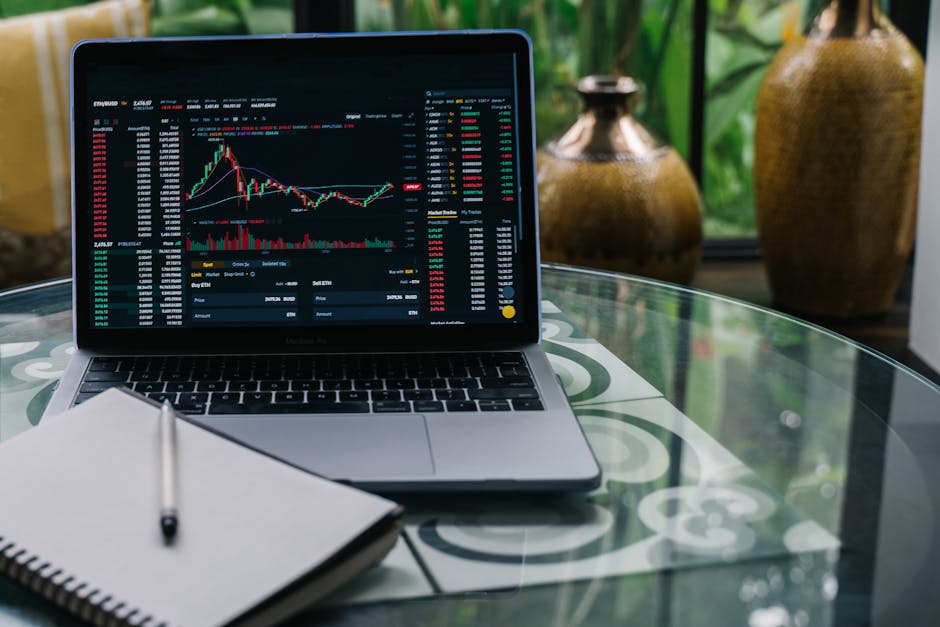
When to Take Profit on Bitcoin: Rules That Beat Gut Feel
You will never nail the exact top, and chasing it is how good trades turn into bad ones. Here is how rule-based exits keep the decision out of your hands.
Bitcoin's deeper liquidity and cleaner trends make it a steadier vehicle for systematic trading than most altcoins, which gap harder and rug more often.

Every new trader eventually asks the same question: do I chase the coin that just did 40 percent in a day, or do I trade the boring one everybody already owns? Put another way, altcoins vs Bitcoin for trading is really a question about what kind of pain you are signing up for. Altcoins move faster, and fast moves are seductive. But the thing that makes them exciting is the same thing that makes them dangerous, and a trading system does not care how exciting a chart looks. It cares whether the market behaves consistently enough to follow rules on.
This piece lays out the honest tradeoffs. Not "altcoins bad, Bitcoin good," because that is lazy. The real answer is that Bitcoin gives a systematic trader more of the things that matter and fewer of the things that ruin accounts, and that difference is mostly about liquidity and how clean the trends are.
Liquidity is how much you can buy or sell without shoving the price around. Bitcoin has the deepest liquidity in crypto by a wide margin. It trades on every exchange, has the most participants, and carries order books thick enough that a normal-sized order barely moves the tape.
That depth does quiet, unglamorous work for you. Your entries fill near the price you saw. Your stop-loss triggers close to where you set it instead of slipping through a vacuum. Spreads stay tight, so you are not bleeding money on every round trip just to get in and out.
Most altcoins are the opposite. The top few are reasonably deep, but once you move down the list the books thin out fast. On a thin market, a moderately sized order can walk the price several percent on its own. That shows up as slippage, and slippage is a cost that does not appear in a naive backtest but absolutely shows up in your real results. If you have never checked what your system actually costs to run, how to backtest a strategy on TradingView is worth reading before you trade a thin coin with real money.
A trend-following system needs trends. Not just any movement, but sustained, readable directional moves it can ride while ignoring the chop in between. If you want the mechanics of that, trend following strategy explained covers the core idea.
Bitcoin tends to produce those cleaner trends. Because so many participants are pricing it at once, moves develop with some order to them. A run higher tends to pull back, consolidate, and continue rather than spiking straight up and collapsing in a single candle. That structure is exactly what a rule-based system feeds on.
Altcoins are choppier. A thin market with a smaller, more emotional crowd whips around more. You get violent green candles, then a wick that erases the whole move, then silence. To a human eye it looks like opportunity. To a trend system it looks like noise that keeps tripping entries and stops for nothing. More false signals means more small losses, and small losses compound into a slow bleed.
Here is where altcoins get genuinely hazardous. Two failure modes hit them far harder than they hit Bitcoin.
The first is gapping. Thin markets can jump from one price to a very different price with nothing traded in between, usually on a sudden news dump or a cascade of liquidations. When price gaps through your stop, your stop does not save you at the level you chose. It fills wherever the next real bid is, which can be well below where you planned to be out. Bitcoin gaps too, but its depth cushions the move. A thin altcoin can gap through several risk units before you blink.
The second is the rug. Smaller tokens carry project risk that Bitcoin simply does not. A team can vanish, liquidity can be pulled, an exchange can delist, a token can quietly go to zero. Bitcoin has no team to abandon it and no single point of failure to yank. You can lose money trading Bitcoin, obviously, but the asset is not going to evaporate overnight because a founder stopped answering.
That asymmetry matters more than it looks. A strategy can survive a string of ordinary losses. It has a harder time surviving one position that gaps three times past its stop, or a token that halves while you sleep. Managing that starts with position sizing, and risk management in trading is the fundamentals if you have not nailed them down.
There is an irony worth sitting with. A lot of the time, trading altcoins is trading Bitcoin with extra steps. When Bitcoin runs, most altcoins run with it. When Bitcoin dumps, they usually fall further and faster. So you are often taking a higher-beta bet on Bitcoin's direction, except now with worse liquidity and higher tail risk bolted on.
That is not always true. There are stretches where money rotates out of Bitcoin and into altcoins and the whole pack decouples for a while. Reading when that is happening is its own skill, and what is Bitcoin dominance and why it matters is the right starting point. But the base case, most days, is correlation. If your edge is really an edge on Bitcoin's trend, the cleanest way to express it is to trade Bitcoin.
| Factor | Bitcoin | Most altcoins |
|---|---|---|
| Liquidity depth | Deepest in crypto | Thin below the top names |
| Spreads and slippage | Tight, predictable | Wider, variable |
| Trend quality | Cleaner, more sustained | Choppier, more false signals |
| Gap risk | Present but cushioned | Sharp, can blow through stops |
| Rug or delisting risk | Effectively none | Real and permanent |
| Correlation to BTC | It is BTC | Usually high, occasionally decouples |
None of this says altcoins are untradeable. Experienced traders do fine with them, sizing smaller, sticking to the most liquid names, and accepting the wilder ride. The point is that they are a harder instrument, and a harder instrument is a strange place to learn on or to run a system you have not stress-tested.
Because Bitcoin behaves more consistently, it is a sensible home base for a rule-based approach. That is the logic behind Vektor, which reads the trend on Bitcoin and gold and simply says long, short, or flat, then waits most of the time rather than forcing a trade. It plots the exit as a trailing stop that follows the trend and does not repaint, so what you see on the chart is what the rule actually did. On a market as deep as Bitcoin, that kind of restraint has room to work the way it is meant to.
If you want the strategy thinking behind trading the asset this way, bitcoin trend trading strategy goes deeper, and what is a trailing stop loss explains why a stop that follows the trend beats a fixed line for exiting a runner.
Nothing here is a promise of profit. All of it can lose money, Bitcoin included. The argument is narrower and, I think, honest: for a systematic trader, Bitcoin removes more sources of chaos than it adds, and fewer sources of chaos is the closest thing to an edge you get before you have even placed a trade.
For most systematic traders, no. Altcoins move harder in percentage terms, which looks appealing, but they carry thinner liquidity, wider spreads, and more gap and rug risk. Bitcoin gives you cleaner trends and depth that lets a system behave the way its backtest suggested. Altcoins can be worth trading, but they punish sloppy sizing faster.
Bitcoin has the deepest order books, the most exchanges, and the most participants of any crypto asset. That depth means your stops and entries fill closer to where you expected, spreads stay tight, and price tends to trend in longer, readable moves instead of thin whipsaws. Fewer surprises makes rule-based trading more reliable.
Often, yes. When Bitcoin trends hard, most altcoins move with it, and when Bitcoin dumps they usually fall further. That correlation means you are frequently taking a leveraged bet on Bitcoin's direction with worse liquidity attached. Understanding Bitcoin dominance helps explain when altcoins break from that pattern.
You can try, but do not assume it transfers. A trend system tuned on Bitcoin may misbehave on a thin altcoin because gaps, wider spreads, and sudden liquidity holes change how fills and stops play out. Backtest each market separately on real data before you commit size to it.
You will never nail the exact top, and chasing it is how good trades turn into bad ones. Here is how rule-based exits keep the decision out of your hands.
The BTC dominance metric, what rising and falling readings actually tell you, and why it is a lousy stopwatch for calling altcoin season.

How a spot ETF differs from futures products and holding your own coins, and why the money flowing in and out actually matters for price.