
When to Take Profit on Bitcoin: Rules That Beat Gut Feel
You will never nail the exact top, and chasing it is how good trades turn into bad ones. Here is how rule-based exits keep the decision out of your hands.
A concrete framework for riding Bitcoin moves: enter on daily breakouts, ignore the intraday noise, and trail the winner instead of scalping.
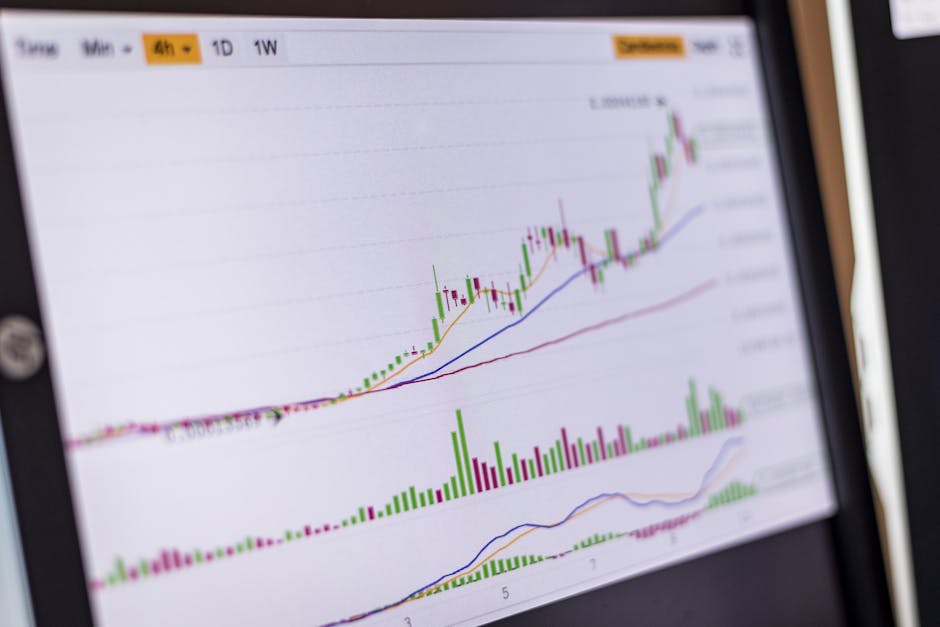
Most people who "trade Bitcoin" are actually fighting it. They open the 5-minute chart, watch every candle like it owes them money, buy a green spike, panic-sell the pullback, and repeat until the account is smaller. The market did fine. The trader got chopped up.
Learning how to trade the Bitcoin trend is mostly about doing less of that. Bitcoin spends long stretches grinding in one direction, and the money is in sitting through those stretches rather than reacting to every tick inside them. This is a concrete framework for doing exactly that: trade the daily trend, enter on real breakouts, and let a trailing stop decide when you are wrong.
Bitcoin moves a lot in a single day. That volatility feels like opportunity, and on a small time frame it looks like dozens of chances per session. It is mostly noise. A 2% intraday swing that feels enormous while you are staring at it barely registers on the daily chart, and it tells you almost nothing about where price is heading over the next few weeks.
The problem with scalping the noise is that your edge, if you have one, gets eaten by two things: the cost of trading in and out constantly, and your own emotions. Every time you flip a position you pay a spread and give yourself another chance to make a rushed decision. Do that fifty times a week and the math quietly turns against you. This is a big part of why most traders lose money: not bad calls, just too many calls.
The daily chart is the antidote. It updates once a day. It does not care that Bitcoin dumped 3% during lunch and recovered by dinner. It shows you the trend, and the trend is the thing worth trading.
Before you think about entries, you decide what the market is doing. Trend, range, or unclear. There is no shame in "unclear," and "unclear" usually means stay flat.
You do not need a complicated system for this. A couple of honest signals:
The goal here is not precision. It is to answer one question: is there a trend I can ride, or am I about to force a trade in a market going nowhere? If the honest answer is nowhere, you are done for the day. Trend following only works when there is a trend, and a real part of the discipline is trend following as a strategy means waiting out the flat periods.
Once you know the direction, you need a trigger. The cleanest trigger for trend riding is a breakout: price pushing through a level that has been holding it back.
A breakout trading approach on Bitcoin usually means one of these:
The important discipline is to wait for the daily candle to close beyond the level rather than jumping the moment price pokes through intraday. Bitcoin loves to spike through a level, trigger a wave of buyers, then snap back and leave them stranded. Waiting for the close does not eliminate fakeouts, nothing does, but it filters out a meaningful share of them.
Here is the honest part: you will still get faked out sometimes. That is not a flaw in the method, it is the cost of doing business. The whole point of the next two steps is to make each fakeout small and each real breakout large.
This is the step people skip, and skipping it is why they blow up. Before you enter, you decide two numbers: where you are wrong, and how much you are willing to lose being wrong.
Where you are wrong is usually just below the level you broke out of, or below the most recent higher low. If price goes back there, the breakout failed and the reason you entered no longer exists. That is your stop.
How much you lose is a rule of thumb, not a promise: a lot of traders cap risk at around 1% of the account on any single trade. The point is not the exact percentage. The point is that you size the position so that being wrong costs you a scratch, not a scar. If your stop is far away, you trade smaller. If it is close, you can trade a bit larger. The distance to your stop sets the size, not the other way around. This is the entire discipline of risk management in one sentence.
A quick comparison of the mindset shift this framework asks for:
| Scalping the noise | Riding the daily trend |
|---|---|
| Dozens of trades a week | A handful a month |
| React to every candle | Wait for a daily close |
| Fixed profit target | Trailing stop |
| Exit on emotion | Exit on a rule |
| Small wins, sudden losses | Small losses, occasional large wins |
Here is where trend trading actually makes its money, and where most people sabotage themselves.
When a trade goes your way, the temptation is to grab the profit before it disappears. It feels responsible. But if you take a fixed target on every trade, you cap your upside on exactly the moves that make trend following worth it. Bitcoin trends can run far further than feels reasonable, and a fixed target guarantees you are not there for the back half of the big ones.
The alternative is a trailing stop: a stop that follows price up as the trend continues and only pulls you out when the trend actually breaks. It ratchets one way. As Bitcoin climbs, the stop climbs with it, locking in more of the move. When price finally rolls over and takes out the stop, you are out, having captured most of the run instead of a thin slice of it. If the concept is new to you, what a trailing stop loss is covers the mechanics.
The trade-off is real and worth stating plainly: a trailing stop always gives a little back at the top. You will never sell the exact high. In exchange, you stay in the trades that run, and in trend following, a few big runs pay for all the small losses. That is the deal. Take it.
The Supertrend indicator is one well-known way to visualize a trailing stop that follows the trend, if you want a concrete starting point for how this looks on a chart.
Everything above is a discipline, not a piece of software. You can run this framework by hand with nothing but a daily chart and a rule sheet. Plenty of people do.
What a tool can do is enforce the parts you are most likely to fudge in the moment: flagging when the daily trend actually flips, marking the breakout instead of letting you talk yourself into an early entry, and drawing the trailing exit so the decision is already made before your emotions get a vote.
That is the mechanism Vektor runs on. It reads the daily trend on Bitcoin and gold and calls one of three states: long, short, or flat, and it sits in flat most of the time, which is the whole point. It plots the exit as a trailing stop that follows the trend and does not repaint, so the line you see is the line that was there. It can show its result next to buy-and-hold on your own chart so you can judge it yourself instead of trusting a screenshot, and it fires phone alerts so you are not chained to the screen waiting for a daily close. It runs on any TradingView plan, including free. It does not place trades and it is not advice. It flags the setups this framework is built around and leaves the decision to you.
If you are still building the base under all this, how to trade Bitcoin for beginners and how to know when to buy Bitcoin cover the ground beneath the framework, and when to take profit on Bitcoin goes deeper on the exit question that trips up most people.
None of this works if you override it. The framework is simple on purpose so there is nothing to hide behind: you either waited for the daily close or you did not, you either set your stop before entering or you did not, you either trailed the winner or you grabbed a target out of fear. The rules are easy. Following them when Bitcoin is ripping and your instincts are screaming is the hard part, and it is the only part that separates people who trade the trend from people who get traded by it.
Standard reminder: trading carries real risk of loss, and a framework reduces bad decisions without removing the risk. Trade money you can afford to lose.
For trend riding, the daily chart is the workhorse. It filters out most of the intraday panic and shows you the direction that actually pays. You can use the 4-hour to fine-tune an entry, but the daily is where the trend lives. Lower time frames like the 5-minute give you more signals and more of them are noise.
You do not know in advance, and anyone who says otherwise is selling something. The honest fix is to define your risk before you enter so a fakeout is a small, planned loss instead of a surprise. Waiting for the daily candle to close beyond the level, rather than reacting to an intraday spike through it, filters out a chunk of the fakes.
If your goal is to ride the trend, a trailing stop keeps you in the winner longer than a fixed target usually does. A target caps your upside on the exact moves that make trend trading worth it. Trailing means you give a little back at the top in exchange for catching the whole run when one shows up.
Yes. A free plan gives you daily charts, alerts, and enough indicators to run a trend-following approach. You do not need a paid subscription to trade the daily. Paid plans mostly add more charts per screen, more alerts, and faster data, which matter more for active intraday trading than for a daily swing approach.
You will never nail the exact top, and chasing it is how good trades turn into bad ones. Here is how rule-based exits keep the decision out of your hands.

The BTC dominance metric, what rising and falling readings actually tell you, and why it is a lousy stopwatch for calling altcoin season.

How a spot ETF differs from futures products and holding your own coins, and why the money flowing in and out actually matters for price.