
Why Central Banks Buy Gold (and Why It Matters to Traders)
Reserve diversification, de-dollarisation, and the steady official demand that quietly sits under gold's price. The macro context a trader should actually know.
What XAUUSD actually is, how it is quoted, how to size a position and a stop, and how to build a clean setup for the pair without drowning in jargon.
If you have decided to trade gold, the first thing you will run into is a ticker that looks like a typo: XAUUSD. It is not complicated once you break it down, but the pair does behave differently from a stock or a normal forex cross, and the details that trip people up are the boring ones, like pips and stop sizing. So this is a practical guide to how to trade XAUUSD, from what the symbol means to building a setup you can actually follow.
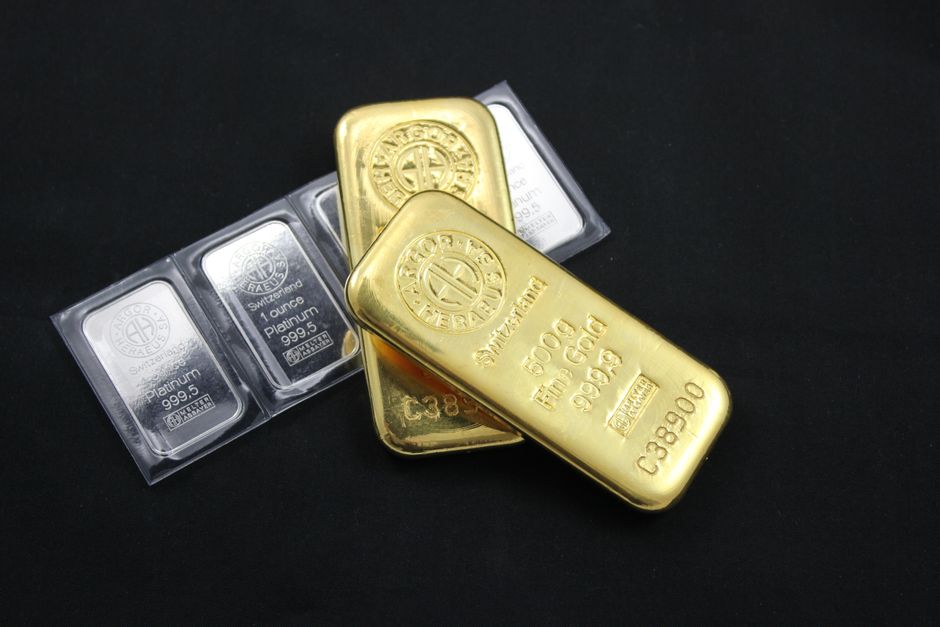
XAU is the market code for one troy ounce of gold. USD is the US dollar. Put them together and XAUUSD is simply the price of one ounce of spot gold in dollars. If the pair reads 2,400, one ounce of gold is worth 2,400 dollars right now.
The word that matters is spot. XAUUSD is the current cash price of gold, for value now. That makes it different from the two other common ways people trade gold:
All three follow gold, so they move together closely. But XAUUSD gives you the near-continuous hours and the direct spot price, which is why it is the default for a lot of active gold traders. Pick the one that fits your account and your hours, and do not assume they are interchangeable.
Gold is quoted in dollars per ounce, usually to two decimal places. A move from 2,400.00 to 2,401.00 is a one-dollar move. Simple enough.
The part that causes confusion is pips. In forex, a pip is a tidy, standard unit. On gold, the definition is not standard and varies by broker. A common convention treats a one-dollar move in price as 100 pips, which makes one pip a 0.10 move in price. Other setups define it differently.
The honest advice: do not get religious about the word "pip" on gold. Think in dollars per ounce, because that is unambiguous, and check exactly how your broker defines a pip before you calculate anything that depends on it. A wrong pip assumption is how people accidentally trade ten times the size they meant to.
A lot is just a bundle of ounces. Brokers vary, but a standard lot of gold is typically 100 ounces, with mini and micro lots scaling down from there. What you truly need to understand is the money side:
How many dollars do I gain or lose when gold moves one dollar?
On a 100-ounce position, a one-dollar move in the gold price is a 100-dollar change in your account, because you are effectively holding 100 ounces. Scale the lot down and that number scales down with it. Everything about risk flows from this one relationship, so nail it down for your broker and your lot size before anything else.
Two costs that are easy to ignore until they add up:
Neither of these is a reason not to trade gold. They are just line items to price in, the same way you would factor fuel into a road trip.
Gold trades nearly around the clock, but it does not move meaningfully around the clock. The liquidity concentrates in the London and New York sessions, and the best conditions of the day are the overlap through the New York morning, when both are open and most US data lands. Spreads are tightest and moves have the most follow-through then.
If you are choosing when to sit down, this is worth getting right rather than trading whenever you happen to be free. The full breakdown is in the best time to trade gold, but the short version is: center on the New York morning overlap, respect the US data windows, and do not expect much from the quiet Asian hours.
You do not need a screen full of twenty indicators to trade XAUUSD. Clutter is not analysis. A workable setup has just a few parts:
For the trend read, this is where a tool that ignores intraday noise helps. Gold is what Vektor was built for. It reads the trend on gold and Bitcoin and says long, short, or flat, plots the exit as a trailing stop that follows the trend without repainting, and it waits most of the time instead of forcing a trade every hour. It runs on any TradingView plan, including the free one, and it can show its result next to buy-and-hold on your chart so you are not taking anyone's word for anything. It is information, not financial advice, and it does not place trades for you. For getting the chart itself set up, how to trade gold on TradingView walks through it.
Here is the piece that separates people who last from people who blow up. Gold moves. On an active day it can travel a wide range, and a stop that would be sensible on a sleepy stock will get knocked out by gold's normal breathing.
The fix is to size your stop to what gold is actually doing, not to a round number you picked. The common tool for this is ATR, the Average True Range, which measures the typical distance gold has been covering recently.
The method in three steps:
Done in that order, position size becomes an output of your risk, not a number you guess. When gold gets more volatile, ATR widens, your stop sits further away, and your position size comes down automatically so your dollar risk stays constant. That is the whole point.
This is really just risk management applied to one instrument, and it is worth understanding the general version too. See risk management in trading for the wider picture and what is a trailing stop loss for how a trend-following exit rides a move instead of capping it.
Gold is a leveraged, volatile instrument, and leverage cuts both ways, so never size a position on the assumption a trade will work out.
Trading XAUUSD comes down to a few concrete things. Know that it is spot gold in dollars, not futures or an ETF. Think in dollars per ounce and confirm your broker's pip and lot definitions before you size anything. Trade in the liquid sessions to keep spreads down. Build a lean setup around a trend read and a defined exit. And size your stops to gold's real volatility with ATR, letting your risk decide your position size rather than the other way around. Get those right and you are already ahead of most people who trade this pair on vibes.
Reserve diversification, de-dollarisation, and the steady official demand that quietly sits under gold's price. The macro context a trader should actually know.
Gold does not move on vibes. It moves on real yields, the dollar, central-bank demand, and fear. Here is how each one shows up on your chart, and why reading the trend beats guessing the headline.
Gold holds purchasing power over long stretches, but it pays you nothing to wait. Here is the sober case for and against owning it.