
Why Most Traders Lose Money (And What Actually Goes Wrong)
The boring, repeatable reasons accounts blow up: overtrading, no defined risk, revenge trades, and mistaking activity for edge.
Trading signals can work. Most of the ones being sold to you do not, and the reasons are the same every time.
Do trading signals work? Some do. Most of the ones being sold to you do not, and I want to be honest about why instead of pretending it is all scams or all gold. The mechanism that makes a signal trustworthy is simple, and once you see it you cannot unsee how many signal services quietly skip every part of it.
Let me walk through what actually goes wrong, then what a signal needs before it deserves a spot in your process. This is the slightly uncomfortable version, because the problems are not exotic. They are structural, and they apply to most group chats charging you monthly for buy and sell alerts.
A signal is a message. Messages travel. Between the moment the caller sees the setup and the moment you actually place your order, price has moved.
The caller entered at one level. You entered a few minutes and a few candles later, at a worse one. On a slow day that gap is annoying. On a fast one, especially in something like Bitcoin, it can be the whole edge. You are structurally behind the person you are following, every single time, and no group chat puts that on the sales page.
Here is the one that quietly wrecks accounts. Most signals are entries. "Long here." "Buy now." Then silence.
The entry is the easy half of trading. The exit is where accounts are actually made or lost. A signal that gives you a beautiful entry and no exit plan has handed you the hard part and walked away. You are left guessing whether to hold through a pullback or bail, and you will usually guess wrong under pressure, because you have no rule, just a vibe and a losing position getting worse.
A signal without an exit is half a trade. Arguably the worse half to be handed.
Think about the incentive structure. A signal caller posts a call. If it wins, screenshot, victory lap. If it loses, it scrolls off the feed and nobody mentions it again. There is no scorecard you control. There is no cost to them for being wrong.
Compare that to a rule you can see. A rule cannot delete its losing trades or reframe them. It did what it did on every candle in history, and you can go look. The moment a human sits between you and the logic, accountability gets fuzzy, and fuzzy accountability always drifts in the seller's favor.
This is the big one. When a service shows you results, they are showing you the results they chose to show. The winners get posted. The losers get quiet. That is survivorship bias, and it makes almost any signal service look like a genius from the outside.
You are not seeing a track record. You are seeing a highlight reel, edited by the person trying to sell you the subscription. Ask yourself a blunt question: could you reconstruct every call they made last month, wins and losses, from a source they do not control? If not, the win rate they quote is marketing, not evidence. I dug into this same trap from the tool-buying angle in whether paid trading indicators are worth it, and it rhymes.
There is a quieter cost too. When you outsource your decisions to a caller, you also outsource your conviction. So when the trade goes against you, and some do, you have nothing solid to hold. You cannot ask the signal why it thinks this. You cannot check its reasoning against the chart. You just have a stranger's word and a red number.
That is a miserable place to make decisions from. People panic-sell good positions and diamond-hand terrible ones precisely because they never understood the logic in the first place. Borrowed conviction evaporates the moment you actually need it.
Trading is risky and you can lose money doing it, signals or not. None of this is financial advice. But you at least want to lose or win on a process you understand, not on someone else's confidence.
Enough about what breaks. Here is what a signal needs before it earns any trust. Notice that every item is a direct answer to a problem above.
Run any signal service against those four. Most fail at least two immediately, usually the exit and the verifiable record.
Stack it up side by side and the difference is stark.
| A ping in a group chat | A rule on your own chart |
|---|---|
| Arrives after the caller already acted | Fires on your chart in real time |
| Usually entry only, no exit | Entry and a defined exit together |
| Results are curated by the seller | You can test the full history yourself |
| You cannot question the reasoning | The logic is visible and consistent |
| May quietly repaint | What you saw is what it said |
This is the whole argument for a rules-based system over a subscription to someone's alerts. A rule is transparent, testable, and it does not have a marketing department deciding which of its trades you get to see. If you want a concrete example of a rule-based approach applied to one asset, this walkthrough of a Bitcoin trend trading strategy shows the shape of it.
Which is roughly the philosophy behind Vektor. It is a one-time tool for gold and Bitcoin that reads the trend and tells you long, short, or flat, plots the exit as a trailing stop that follows the move, does not repaint, and can show its result next to buy-and-hold on your own chart. You do not have to trust the call. You can check it. That is the entire point, and it is the opposite of a stranger's ping you cannot audit.
Some do, most do not, and the difference is verifiability. A signal works if you can see the logic behind it, it tells you when to get out and not just when to get in, and you can test it on your own chart. A signal that is just a message in a group chat with none of those things is a coin flip you are paying for.
Because they choose which ones to post. That is survivorship bias. You see the trades that worked and rarely the ones that did not. Nobody screenshots the stop-out at 2am. Judge a signal by a full record you can audit, not by the highlight reel someone assembled to sell you something.
No exit. Most signals tell you to buy and go quiet. The entry is the easy part. Whether you make or lose money is decided by when and how you get out, and a signal that skips that hands you the hardest half of trading with no plan.
The takeaway is not "never trust a signal." It is to demand the four things: visible logic, a real exit, a record you can rebuild yourself, and no repainting. Hold every service and every tool to that bar, including the one you are reading about right now. The ones that survive are worth your time. The ones that flinch just told you everything you needed to know.
The boring, repeatable reasons accounts blow up: overtrading, no defined risk, revenge trades, and mistaking activity for edge.

Why these zones form, how to draw them as areas instead of exact lines, and why they break more often than beginners expect.
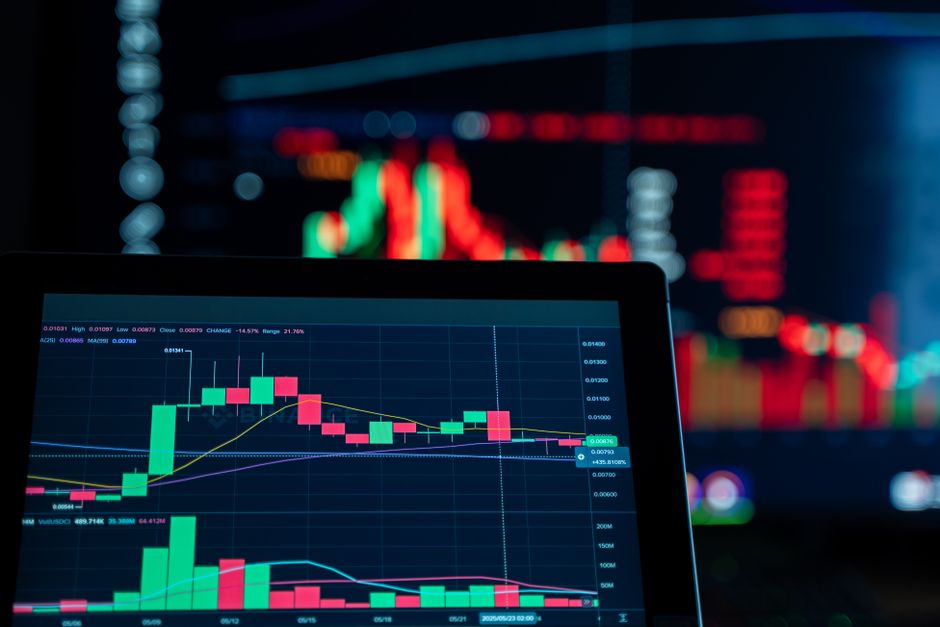
Win rate gets all the attention. Risk-reward is what actually pays the bills. Here is how the two work together, and why a strategy that loses more often than it wins can still make money.